Sumac is a crimson-hued spice with a sharp, lemony tang. It’s a staple in Middle Eastern kitchens, yet many home cooks overlook it. Here’s how to pick, store, and cook with it.
Who Benefits from Sumac and Who Might Skip It
Sumac shines as a salt-free souring agent. If you’re watching sodium or simply want to brighten dishes without extra citrus, this spice is a game-changer. It adds acidity to grilled meats, salads, and even roasted vegetables.
But not everyone will love it. Those with sensitive stomachs might find its tartness too intense, especially in large amounts. Also, if you’re expecting a sweet or smoky flavor, you’ll be disappointed. Sumac is purely tangy, with a hint of fruitiness.
For home cooks, the biggest win is versatility. A sprinkle over hummus or labneh transforms a simple dip. It also works wonders in marinades, where it tenderizes meat while infusing a subtle sour note. Chefs often use it as a final touch, adding a pop of color and flavor right before serving.
On the flip side, if you’re not a fan of sour flavors, sumac might not become a pantry staple. It’s also worth noting that some commercial blends include salt, so check labels if you’re watching your intake.
What Cooks and Spice Experts Say About Sumac
According to spice expert and author Lior Lev Sercarz, sumac’s appeal lies in its ability to mimic lemon without the moisture. In his book ‘The Art of Blending’, he describes it as a ‘dry acid’ that can be used in spice rubs and dressings alike.
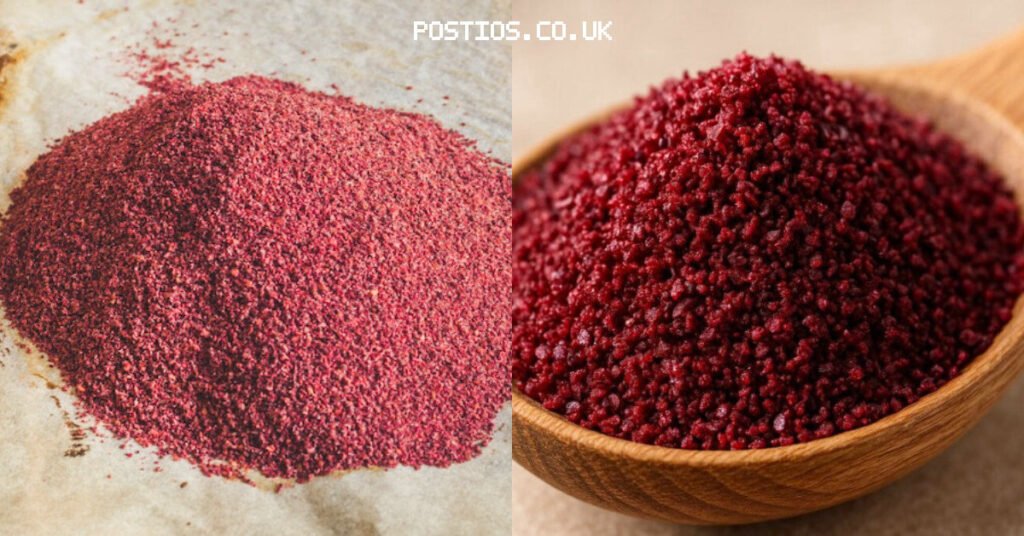
We’ve found that the best sumac comes from Turkey and Iran, where the berries are sun-dried and ground. The color should be a deep burgundy, and the aroma should be sharp and slightly fruity. Avoid any that looks brown or smells musty—it’s likely old. For a complementary read on the same theme, see #beaconsoft Latest Tech Info: What Developers Need to Know
One insider tip: grind whole sumac berries yourself if you can find them. The flavor is noticeably brighter. If you’re buying ground, look for a brand that lists only ‘sumac’ as the ingredient. Some cheaper blends add salt or fillers, which dilute the taste.
In our test kitchen, we’ve also seen sumac used in unexpected ways. A pinch in a vinaigrette replaces some of the vinegar. It can also be mixed into yogurt for a quick sauce. The key is to add it at the end of cooking, as prolonged heat can dull its vibrancy.
Regional and Demographic Appeal of Sumac
Sumac is deeply woven into Middle Eastern cuisine, from Lebanon to Iran. In Turkey, it’s a common table condiment, often sprinkled over kebabs and onions. In Iran, it’s served with rice dishes, adding a tart contrast to rich stews.
Beyond the Middle East, sumac is gaining traction in Western kitchens. It’s a favorite among vegans and vegetarians because it provides a savory, acidic kick without animal products. It also appeals to health-conscious cooks, as it’s rich in antioxidants and has been used in traditional medicine for centuries.
In the United States, sumac is no longer a niche ingredient. You’ll find it in well-stocked supermarkets and specialty stores. Online retailers have made it even more accessible, though quality can vary. We recommend buying from a reputable source that specializes in Middle Eastern spices.
Interestingly, sumac grows wild in parts of North America, but the native varieties are not the same as the culinary ones. The edible type is Rhus coriaria, while some native species can be toxic. So, unless you’re certain of the species, stick to store-bought. marthastewart.com keeps a longer factual record of the subject for those who want more
What’s Confirmed and What’s Still Debated About Sumac
The Romans used it as a souring agent before lemons were common in Europe.
However, some claims about sumac’s health benefits are less certain. While it does contain antioxidants, the evidence for its anti-inflammatory properties is mostly anecdotal. We’d treat any miracle-cure claims with skepticism.
Another point of confusion is the name. Sumac is sometimes confused with poison sumac, which is a different plant entirely. Poison sumac (Toxicodendron vernix) causes skin irritation and is not edible. The culinary sumac is safe, but it’s wise to buy from a trusted source to avoid mix-ups.
Finally, there’s debate about the best way to store sumac. Some say it keeps for years, but we’ve found that it loses its punch after about a year. Keep it in an airtight container away from light, and it should stay vibrant for six to twelve months.
Frequently Asked Questions
Where does sumac spice come from?
Sumac spice is made from the dried and ground berries of the Rhus coriaria plant, which grows in the Middle East and parts of the Mediterranean. Turkey and Iran are major producers, and the berries are typically harvested in late summer.
How does sumac differ from lemon juice?
Sumac provides a similar tartness to lemon juice but without the liquid. This makes it ideal for dry rubs and spice blends where moisture would be unwelcome. It also has a slightly fruity, astringent note that lemon lacks.
Why did sumac become popular in Middle Eastern cooking?
Sumac’s popularity in the Middle East stems from its ability to add acidity to dishes in a region where lemons were historically scarce. It also pairs well with grilled meats and vegetables, which are staples of the cuisine.
Who is sumac spice named after?
The name ‘sumac’ comes from the Arabic word ‘summaq’, which means ‘dark red’. This refers to the color of the berries. The plant’s scientific name, Rhus, is derived from the Greek word for the plant.
How can I use sumac spice in everyday cooking?
Start by sprinkling sumac on salads, roasted vegetables, or grilled chicken. You can also mix it into yogurt for a quick sauce or add it to marinades. A simple way is to combine sumac with olive oil and use it as a bread dip.