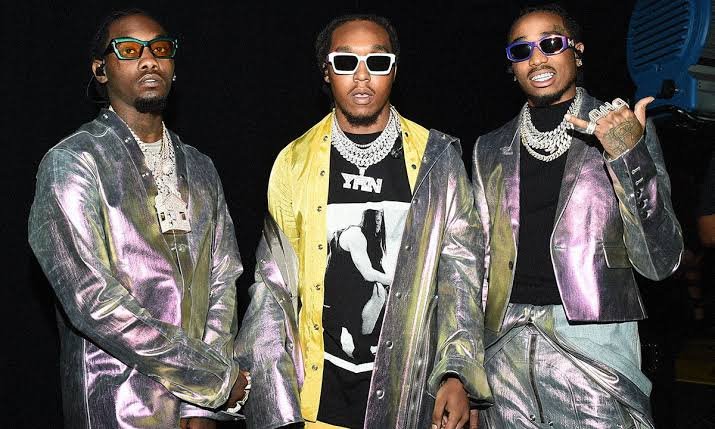
Words often become popular for reasons that go beyond their dictionary definitions. Some emerge from everyday conversations, while others gain recognition through music, social media, and popular culture. The word “Migos” is an interesting example because it connects language, cultural expression, and modern hip-hop. Many people encounter the term through music or online discussions and wonder about its actual meaning.
The search for the Migos meaning usually leads to two related topics: its connection to Spanish vocabulary and its association with the influential Atlanta rap group Migos. Although the two subjects are connected through the group’s name, understanding them separately provides a clearer picture of the word’s background.
Migos became a recognizable name in American popular culture through the success of Quavo, Offset, and Takeoff. Their music helped introduce the term to millions of listeners worldwide. However, the group’s name also has a linguistic connection that makes it particularly interesting to people exploring slang, Spanish expressions, and hip-hop terminology.
This article explains what Migos means, where the word comes from, how it became associated with rap music, and why people continue searching for its meaning.
What Does Migos Mean?
Migos is commonly understood as an informal variation of the Spanish word “amigos,” which means “friends” in English. The word is associated with friendship, companionship, and a close social group.
In everyday Spanish, “amigos” is the standard plural form of “amigo,” meaning a male friend or a group of male friends. The feminine equivalent is “amigas,” although “amigos” can also refer to a mixed-gender group.
The shortened form “Migos” removes the initial letter from “amigos.” This informal spelling is particularly recognizable because of its association with the Atlanta hip-hop group.
In simple terms:
- Amigo: A friend.
- Amigos: Friends.
- Migos: An informal shortened form associated with “Migos Meaning” and popularized through the group’s name.
It is important to understand that Migos is not the standard Spanish spelling. Instead, it is a stylized form that became widely recognized through music and entertainment.
The Spanish Language Connection Behind Migos
To understand the linguistic background of Migos, it helps to look at the Spanish word “amigo.”
Spanish is one of the most widely spoken languages in the United States. Words and expressions from Spanish frequently appear in American conversations, music, entertainment, and online culture.
The word “amigo” is especially familiar because it has been used in English-speaking communities for generations.
What Does Amigo Mean in Spanish?
Amigo translates to “friend” in English. It describes someone with whom a person shares a friendly relationship, mutual trust, or companionship.
For example:
- “Mi amigo es muy divertido” means “My friend is very funny.”
- “Tengo muchos amigos” means “I have many friends.”
- “Hola, amigo” means “Hello, friend.”
The plural word “amigos” refers to more than one friend.
Why Is Migos Different From Amigos?
The difference is primarily spelling and usage.
“Amigos” is the correct Spanish word, while “Migos” is an informal shortened version recognized in popular culture.
This distinction matters because people sometimes assume that Migos is an independent Spanish vocabulary word. In reality, its strongest recognizable connection comes from the shortened form of “amigos” and the identity of the musical group.
The shortened spelling also gives the word a distinctive appearance, making it memorable as an entertainment brand.
Migos and the Famous Atlanta Hip-Hop Group
One of the biggest reasons people search for this term is the American hip-hop group Migos.
Migos was an influential rap trio from Lawrenceville, Georgia, near Atlanta. The group consisted of three members: Quavo, Offset, and Takeoff. Their music helped shape the sound of mainstream hip-hop during the 2010s.
The group’s recognizable name became closely associated with friendship, collaboration, Atlanta culture, and a distinctive musical style.
Who Were the Members of Migos?
Each member contributed a different personality and musical approach to the group.
Quavo
Quavo, whose real name is Quavious Keyate Marshall, became known for his melodic delivery, catchy hooks, and memorable performances. He frequently handled choruses and melodic sections that helped make Migos songs recognizable.
Offset
Offset, born Kiari Kendrell Cephus, developed a reputation for his rhythmic delivery, distinctive flow, and energetic verses. His contributions helped establish the group’s musical identity.
Takeoff
Takeoff, whose real name was Kirshnik Khari Ball, was known for his technical rapping ability, smooth delivery, and carefully structured verses. Many listeners appreciated his distinctive contribution to the trio.
Takeoff died in November 2022, marking a tragic moment for the group, its fans, and the wider hip-hop community.
How Migos Became Popular in American Music
The group’s rise was closely connected to Atlanta’s growing influence on hip-hop.
Atlanta has produced numerous influential rap artists and musical movements. Its music scene helped introduce new production styles, flows, and approaches to mainstream rap.
Migos developed their identity through energetic performances, recognizable vocal patterns, and a sound that blended trap music with melodic elements.
The Breakthrough of “Versace”
Migos gained major attention with their 2013 single “Versace.”
The song became a significant moment in their early career. Its repetitive hook, energetic delivery, and recognizable production helped introduce the group to a much wider audience.
The track also received additional attention after Drake released a remix, increasing the group’s visibility in mainstream music.
The Success of Culture
In 2017, Migos released Culture, an album that became one of the defining projects of their career.
The album included popular songs such as:
- “Bad and Boujee”
- “T-Shirt”
- “Slippery”
- “Get Right Witcha”
“Bad and Boujee,” featuring Lil Uzi Vert, became a major commercial success and helped establish Migos as one of the most recognizable rap groups of the decade.
The album’s popularity also strengthened the connection between the name Migos and contemporary American hip-hop.
Why Did Migos Choose That Name?
The name Migos reflects the idea of a group or collective rather than an individual identity.
Its association with the Spanish word “amigos” gives it a natural connection to friendship and companionship. This interpretation fits the group’s identity as three artists working together.
A musical group name often communicates more than its literal meaning. It can represent shared experiences, relationships, creativity, and a collective personality.
Migos became an easily recognizable name because it was short, memorable, and closely connected to the trio’s identity.
It is worth distinguishing between the linguistic explanation and the group’s own naming history: the association with “amigos” is widely recognized, but the spelling should not be treated as a standard Spanish word.
Migos Meaning in Modern Slang and Social Media
The popularity of Migos extended beyond music. As the group became more successful, its name started appearing in online conversations, memes, entertainment discussions, and social media posts.
People sometimes use the term when discussing the artists, their music, or their cultural influence.
However, Migos does not have one universally established slang definition that applies to every conversation.
Its meaning depends on context.
For example:
- Music context: Refers to the Atlanta rap group.
- Language context: Refers to the shortened form associated with the Spanish word “amigos.”
- Social context: May be used informally to reference friends or a group of companions.
Understanding the surrounding sentence is the best way to determine what someone means when using the term.
The Cultural Influence of Migos on Hip-Hop
Migos influenced modern hip-hop through their music, delivery, fashion, and cultural visibility.
Their contribution went beyond producing popular songs. They helped popularize musical techniques and expressions that became recognizable across mainstream rap.
Popularizing the Triplet Flow
One of the musical elements commonly associated with Migos is the triplet flow.
This approach involves arranging syllables into rhythmic groups of three, creating a rolling delivery that works particularly well with trap production.
Although Migos did not invent the technique, their success helped bring this style to a much larger mainstream audience.
Many younger rappers experimented with similar rhythmic patterns, making the approach a recognizable feature of 2010s hip-hop.
Influencing Fashion and Popular Culture
Migos also became recognizable for their fashion choices, jewelry, accessories, and public appearances.
Their style reflected elements of Atlanta streetwear and contemporary luxury fashion. Music videos, award shows, interviews, and social media helped establish their public image.
The group demonstrated how musical identity, fashion, and entertainment could work together to create a recognizable cultural presence.
Expanding Atlanta’s Musical Reputation
Atlanta already had a strong history in hip-hop before Migos became famous.
However, the group’s commercial success helped reinforce the city’s position as an important center of American rap music.
Their influence contributed to the continued popularity of trap-inspired production and helped introduce Atlanta’s musical culture to international audiences.
Migos vs. Amigos: Understanding the Difference
Although the words look similar, they are not interchangeable in every situation.
| Word | Meaning | Usage |
|---|---|---|
| Amigo | Friend | Standard Spanish |
| Amigos | Friends | Standard Spanish |
| Migos | Informal shortened form associated with amigos | Popular culture and music |
| Migos | Name of an Atlanta rap group | Music and entertainment |
For someone learning Spanish, “amigo” and “amigos” are the appropriate words to use in normal conversations.
For someone discussing hip-hop, music history, or popular culture, Migos generally refers to the rap group.
This distinction helps prevent confusion when encountering the term in different contexts.
Why Do People Still Search for Migos Meaning?
Even though the group became famous years ago, people continue encountering its name through streaming platforms, music playlists, online videos, and discussions about hip-hop history.
Several factors explain the continuing interest.
First, new listeners regularly discover older rap music. Someone hearing “Bad and Boujee” or “Versace” for the first time may naturally become curious about the group’s name.
Second, Spanish-language expressions are common in American entertainment. People who recognize the similarity between Migos and amigos may want to understand the linguistic connection.
Third, internet searches often involve short phrases without additional context. A person searching for “Migos meaning” might be interested in Spanish vocabulary, slang, music, or the group’s background.
Finally, the group’s influence remains part of conversations about Atlanta rap and the development of modern trap music.
Frequently Asked Questions About Migos Meaning
1. What does Migos mean in English?
Migos is commonly understood as a shortened version of the Spanish word “amigos,” which translates to “friends” in English. It is also the name of the popular Atlanta hip-hop group.
2. Is Migos a Spanish word?
Migos is not the standard Spanish spelling. The correct Spanish word is “amigos.” Migos is an informal shortened form that became widely recognizable through popular culture.
3. What does amigo mean?
Amigo is a Spanish word meaning “friend.” It is commonly used when referring to a male friend or addressing someone in a friendly manner.
4. What is the difference between Migos and Amigos?
Amigos is the correct Spanish plural word for friends. Migos is an informal shortened version associated with the Atlanta rap group and popular culture.
5. Who are the members of Migos?
Migos consisted of three Atlanta-based rappers: Quavo, Offset, and Takeoff. The trio became internationally recognized for its contributions to hip-hop and trap music.
6. Where did Migos come from?
Migos originated in the Atlanta metropolitan area, specifically Lawrenceville, Georgia. Their music became closely associated with Atlanta’s influential hip-hop scene.
7. What song made Migos famous?
“Versace,” released in 2013, helped introduce Migos to a wider audience. Their later hit “Bad and Boujee” became a major mainstream breakthrough.
8. Does Migos mean friends?
The word is commonly associated with the Spanish word “amigos,” meaning friends. However, Migos is also widely recognized as the name of the hip-hop group.
9. What happened to Takeoff from Migos?
Takeoff died on November 1, 2022, in Houston, Texas. His death was a significant loss for his family, fellow group members, fans, and the music industry.
10. Why is Migos important in hip-hop history?
Migos helped popularize the triplet flow in mainstream rap, contributed to the popularity of Atlanta trap music, and released influential projects such as Culture. Their musical style influenced many artists who followed.
Conclusion
Understanding the Migos meaning requires looking at both language and popular culture. The word is commonly associated with the Spanish term “amigos,” meaning friends, while its modern recognition comes largely from the successful Atlanta hip-hop group.
Quavo, Offset, and Takeoff transformed the name into a recognizable part of American music culture through their influential songs, distinctive delivery, and contribution to modern trap music.
For Spanish learners, the important distinction is that “amigos” is the correct standard spelling. For hip-hop fans, Migos represents a group whose music helped shape an important period in contemporary rap.
Whether someone discovers the term through Spanish vocabulary, social media, or popular songs, its connection to friendship and musical collaboration makes it an interesting example of how language and entertainment influence one another.






1 thought on “Migos Meaning Understanding the Word Its Spanish Roots and Its Connection to Hip Hop”
Comments are closed.