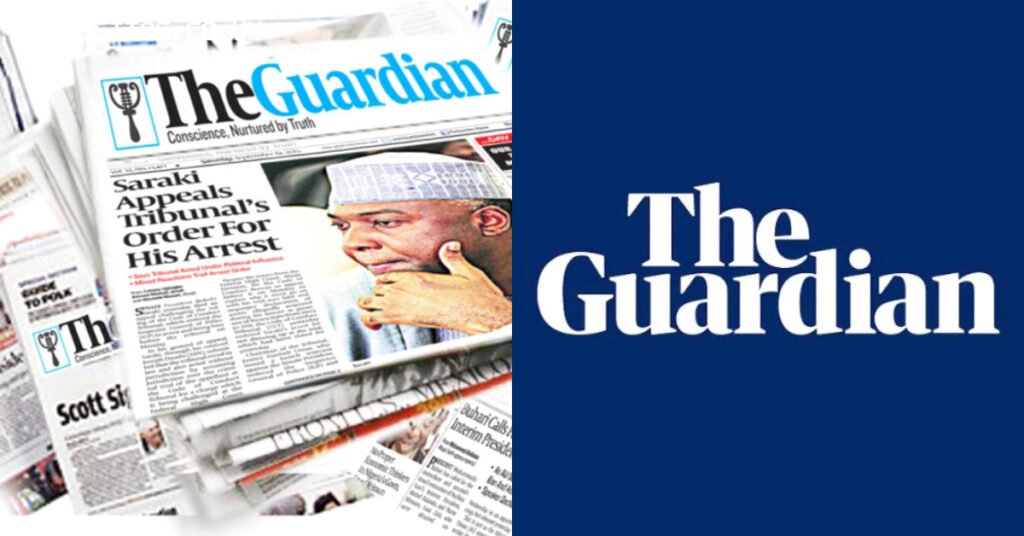
If you have ever wondered how a newspaper survives without a paywall, The Guardian offers one answer. Founded in 1821 as The Manchester Guardian by John Edward Taylor, it has grown into a global digital news organization with a reader-funded model.
Strengths and Weaknesses of The Guardian’s Editorial Model
The Guardian’s investigative journalism is its strongest asset. In 2014, it shared the Pulitzer Prize for Public Service with The Washington Post for coverage of NSA surveillance based on Edward Snowden’s leaks. That reporting demonstrated a willingness to challenge state power, even at legal risk.
Yet the model has weaknesses. Reader funding, while innovative, creates pressure to produce content that appeals to a broad audience. Some critics argue this leads to an overemphasis on identity politics and climate stories, which can alienate conservative readers. The paper’s liberal stance is explicit, not hidden.
Another strength is its global reach. The website, launched in 1999, attracts tens of millions of monthly readers. But that scale brings moderation challenges, especially in comment sections. The Guardian has experimented with different moderation policies, sometimes restricting comments on sensitive topics.
Financially, the Scott Trust Limited structure protects editorial independence. The trust’s purpose is to secure the paper’s future, not to maximize profit. That long-term view allowed The Guardian to invest in digital early, a decision that paid off as print declined.
One mild criticism: the paper’s opinion pieces sometimes blur into advocacy. For a news organization, that can undermine perceived objectivity. Still, its news reporting generally maintains high standards.
Common Misconceptions About The Guardian’s Ownership and History
A frequent misconception is that The Guardian is owned by a wealthy individual or corporation. In reality, the Scott Trust Limited, a company limited by guarantee, owns it. This structure has no shareholders, so profits are reinvested into journalism. If you want to go deeper, Hollow Knight: The 2017 Metroidvania That Redefined Indie Gaming covers an adjacent angle worth reading
Another myth: The Guardian has always been called that. It was renamed in 1959, and moved its headquarters from Manchester to London in 1964. The name change reflected its national ambitions, but the Manchester legacy remains in its masthead’s history.
Some assume The Guardian is a tabloid because of its digital-first approach. It is a broadsheet, though it adopted a compact Berliner format in 2005, later switching to tabloid size in 2018. The format change was practical, not a shift in tone.
People also think The Guardian is funded by advertising alone. Since 2016, it has relied on voluntary contributions from readers. Over one million digital supporters worldwide contribute monthly, a model that reduces dependence on advertisers.
Finally, some believe The Guardian and The Observer are the same. They were separate papers, though both owned by Guardian Media Group. In 2024, The Observer was sold to Tortoise Media, ending over two centuries of joint ownership.
How The Guardian Is Received Across Regions and Demographics
In the UK, The Guardian is often seen as the voice of the liberal middle class. Its readership skews younger and more educated than average, with strong followings in university cities like London, Manchester, and Bristol. In Scotland, its coverage of independence debates has drawn both praise and criticism.
Internationally, The Guardian has a significant US audience, partly due to its aggressive coverage of Trump-era politics. Its Australian edition, launched in 2013, has also gained traction, particularly for climate and indigenous affairs reporting. The paper’s global perspective is a draw for expatriates.
Demographically, the reader base is predominantly left-leaning. That alignment is both a strength and a limitation. It fosters community engagement but can create echo chambers. The paper has tried to diversify voices, but progress is slow.
In Europe, The Guardian is respected for its EU coverage, especially post-Brexit. Its Brussels bureau provides detailed analysis that many continental outlets cite. In Asia, its investigative series on Myanmar and China have been influential, though access to those regions is limited.
We should note that reception varies by story. A piece on austerity might resonate in Greece, while a tech investigation could be more relevant in Silicon Valley. The Guardian’s ability to tailor content for different regions is a key reason for its global success.
Key Figures and Events That Shaped The Guardian’s Modern Era
Katharine Viner became editor-in-chief in 2015, the first woman to hold that role. Under her leadership, The Guardian embraced digital innovation, including the use of interactive storytelling and podcasts. Viner’s background as a features editor influenced a more narrative-driven approach. For a broader factual overview, Guardian angel lays out the key context
The Snowden revelations in 2013 were a turning point. The Guardian’s decision to publish classified documents led to legal pressure and the destruction of hard drives in its London office. That episode solidified its reputation for fearless journalism.
In 2018, The Guardian became a B Corp, a certification for companies meeting social and environmental standards. This move aligned with its editorial focus on sustainability and ethical business. It was one of the first major news organizations to achieve this status.
The paper’s 200th anniversary in 2021 was marked by retrospectives and a renewed commitment to its founding principles. John Edward Taylor’s original mission was to promote liberal causes, a mission that still guides the paper today.
Famous contributors have included playwright Harold Brighouse and cartoonist David Low. Their work helped shape The Guardian’s cultural and satirical edge. More recently, columnists like Owen Jones and Marina Hyde have become influential voices.
The sale of The Observer in 2024 was a significant event. It ended a relationship that began in the 19th century. The decision was driven by financial pressures, but it allowed The Guardian to focus on its core brand.
| Year | Milestone |
|---|---|
| 1821 | Founded as The Manchester Guardian |
| 1959 | Renamed The Guardian |
| 1964 | Headquarters moved to London |
| 2014 | Shared Pulitzer for NSA coverage |
| 2015 | Katharine Viner becomes editor |
| 2018 | Certified as B Corp |
Frequently Asked Questions
How does The Guardian differ from other British newspapers like The Times?
The Guardian operates under the Scott Trust, ensuring no shareholder interference, while The Times is owned by News UK. The Guardian’s liberal stance contrasts with The Times’ centrist-conservative outlook. Additionally, The Guardian pioneered a reader-funded model, whereas The Times uses a hard paywall.
When did The Guardian first publish online?
The Guardian launched its website, theguardian.com, in 1999. This early digital presence allowed it to build a global readership before many competitors. The site has since evolved into one of the most-visited English-language news sites, with continuous updates and multimedia content. Latest news, sport and opinion from the Guardian keeps a longer factual record of the subject for those who want more
How can I support The Guardian without a subscription?
You can make a one-time or monthly contribution through its website. The Guardian also offers a premium app with offline reading for supporters. Alternatively, you can subscribe to its print edition or purchase merchandise, though voluntary donations are the primary method.
Who is the current editor-in-chief of The Guardian?
Katharine Viner has served as editor-in-chief since 2015. She is the first woman to hold this position. Viner previously worked as a features editor and has overseen the paper’s digital expansion and its focus on climate and social justice issues.
Is it true that The Guardian receives funding from a secretive trust?
It was established in 1936 to preserve editorial independence. The trust’s sole purpose is to secure The Guardian’s financial stability and journalistic freedom, and it publishes annual reports on its activities.