Interest in black cumin has spiked recently, with searches for its health benefits climbing steadily. You’ve probably seen the small, black seeds in spice aisles or supplement bottles. But what does the evidence actually say, and how do you separate marketing hype from real value?
Black cumin, also known as Nigella sativa, is a flowering plant native to parts of Asia and the Mediterranean. Its seeds have been used for centuries in traditional medicine and cooking. This article cuts through the noise to give you practical guidance on using it and what to expect.
Tools and Resources for Using Black Cumin in Your Kitchen
You don’t need fancy equipment to start using black cumin. A simple pepper mill or mortar and pestle works fine for grinding the seeds. Toasting them briefly in a dry pan releases more aroma, but watch them closely—they burn fast.
For supplements, you’ll find black cumin oil in liquid form or capsules. The oil is often cold-pressed, which preserves its active compounds. When buying, check the label for the botanical name Nigella sativa to avoid confusion with other seeds. Some brands offer standardized extracts with a guaranteed thymoquinone content, which is one of the key active components.
If you’re using the seeds in cooking, they pair well with breads, curries, and pickles. You can sprinkle them over salads or mix them into yogurt. The flavor is slightly bitter and nutty, reminiscent of oregano and onion. Start with a small amount—a teaspoon goes a long way. Readers exploring black cumin will also find useful context in #beaconsoft Latest Tech Info: What Developers Need to Know
One practical tip: store seeds in an airtight container away from light. They’ll keep their potency for about a year. Ground seeds lose their punch faster, so grind only what you need.
Black Cumin vs. Other Seeds: What Sets It Apart
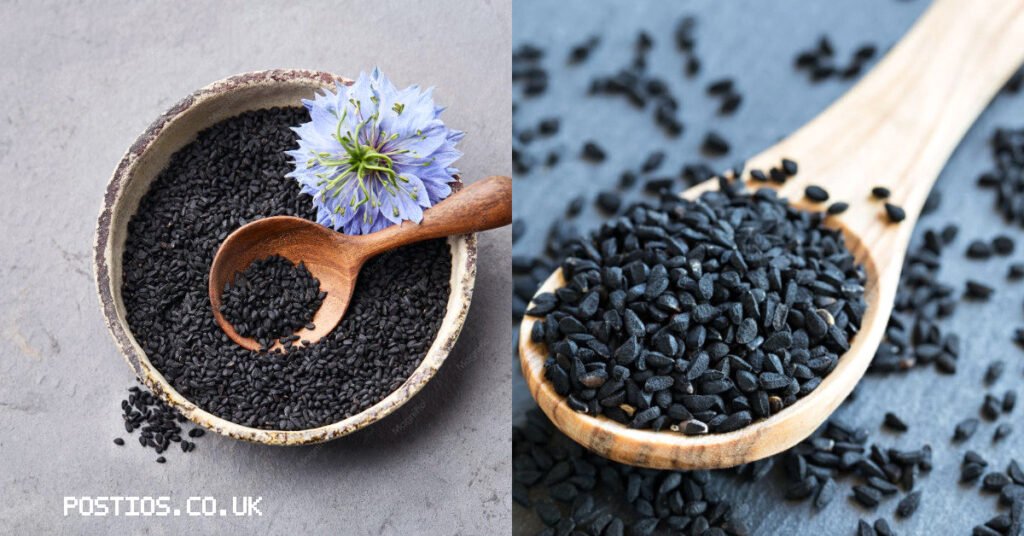
People often confuse black cumin with regular cumin (Cuminum cyminum) or black sesame seeds. They look similar at a glance, but the differences matter. True black cumin is smaller and darker than regular cumin, with a more complex flavor profile.
Black sesame seeds are another common mix-up. Both are black and tiny, but black sesame has a milder, nuttier taste. Black cumin packs a more pungent, slightly bitter punch. In terms of nutrition, black cumin contains thymoquinone, a compound not found in sesame or regular cumin. This compound is the focus of most scientific research on the seed.
When a recipe calls for black cumin, using the wrong seed changes the dish. For example, in Indian cuisine, black cumin (shah jeera) is used in biryanis and rich curries, while regular cumin appears in everyday cooking. The flavor difference is noticeable to anyone paying attention.
So, if you’re substituting, know that black sesame won’t give you the same savory depth. And regular cumin is a distant cousin with a different chemical makeup. The more useful approach is to buy true black cumin from a reputable spice merchant.
Regional Popularity and How Different Cultures Use It
Black cumin has deep roots in Middle Eastern and South Asian cuisines. In Egypt, it’s been used since the time of Tutankhamun, who was buried with oil from the seeds. In Turkey, the seeds are sprinkled on breads like pide and simit. In India, they’re a staple in many spice blends.
In the West, black cumin has gained traction as a wellness supplement. You’ll find it in health food stores and online, often marketed for its antioxidant properties. The seeds are also used in some North African and Middle Eastern sweets, adding a subtle bitterness that balances sugar. Black cumin keeps a longer factual record of the subject for those who want more
Demographically, interest spans all ages, but it’s particularly popular among people exploring natural remedies. The global market for black cumin products has grown, with oils and capsules leading sales. However, culinary use remains strong in regions where it’s a traditional ingredient.
One thing to note: cultural practices vary in how they prepare the seeds. Some prefer raw, others toasted. Some grind them into a paste. Each method extracts different flavors and potentially different benefits. If you’re new to it, try a few preparations to see which you prefer.
Legal Status, Regulation, and What to Watch For
In most countries, black cumin is sold as a food or dietary supplement, not as a drug. That means it’s not regulated for efficacy or safety in the same way pharmaceuticals are. The U.S. Food and Drug Administration (FDA) treats it as a food ingredient, so manufacturers don’t have to prove health claims before selling it.
This regulatory gap means you should be cautious about bold claims. Some sellers tout black cumin as a cure for everything from asthma to cancer. The evidence for such claims is thin. While some studies suggest anti-inflammatory and antioxidant effects, they’re mostly preliminary or done on animals.
In the European Union, black cumin oil is approved as a novel food ingredient under certain conditions. That means it’s been assessed for safety, but not for health benefits. Always buy from reputable brands that test for purity and contaminants.
If you’re taking medication, talk to your doctor before adding black cumin supplements. It may interact with blood thinners and diabetes drugs. Pregnant women should also be cautious, as high doses might stimulate the uterus.
Financially, black cumin products vary widely in price. Cheap oils might be diluted or of poor quality. Expect to pay more for cold-pressed, organic options. It’s a case where you often get what you pay for.
Frequently Asked Questions
What is a good alternative to black cumin if I can’t find it?
If you’re out of black cumin, regular cumin is the closest substitute in terms of flavor, though it’s milder. For a more complex profile, try a mix of cumin and oregano. In baking, caraway seeds can work, but they have a sweeter, anise-like taste.
How much black cumin should I take daily for health benefits?
There’s no official recommended dose. In studies, doses ranged from 1 to 3 grams of seed powder daily, or about 500 mg of oil extract. Start with a small amount and see how your body reacts. Always follow the label on supplements. Verywell Health keeps a longer factual record of the subject for those who want more
Where was black cumin first cultivated?
Black cumin is believed to have originated in the Mediterranean region and parts of Asia. Historical records show it was used in ancient Egypt, Greece, and India. Today, it’s grown in many countries, including Egypt, India, and Turkey.
How many active compounds are in black cumin?
Black cumin contains over 100 chemical compounds, but the most studied is thymoquinone. Other notable components include thymohydroquinone, dithymoquinone, and various fatty acids. These compounds are thought to contribute to its potential health effects.
Is black cumin still used in traditional medicine today?
Yes, black cumin remains a staple in traditional medicine systems like Ayurveda and Unani. Practitioners use it for respiratory issues, digestive problems, and skin conditions. Modern research is exploring these uses, but traditional practices continue to rely on it.