Many cooks assume gochugaru is just another chili powder, but that assumption misses the point. Gochugaru is a distinctly Korean ingredient, prized for its coarse texture, bright red hue, and fruity-smoky depth that generic chili powders rarely match.
How Korean Chili Peppers Arrived and Became a Staple
Chili peppers first reached the Korean peninsula in the 16th century, carried along trade routes that linked Japan and Portugal. Before that era, Korean cuisine relied on black pepper and other spices for heat, but the new Capsicum annuum varieties adapted quickly to local soils.
By the 18th century, peppers had woven themselves into everyday cooking. Farmers discovered that sun-drying the pods on woven mats for several days intensified their color and flavor. The dried peppers were then stemmed, seeded, and crushed by hand, a method that preserved the flakes’ irregular shape.
That labor-intensive process became the template for modern gochugaru production. Today, regional peppers from places like Yeongyang and Boseong still yield distinctive local versions, each with its own balance of sweetness and heat.
What Sets Gochugaru Apart from Ordinary Chili Powder
The most common error is treating gochugaru as a substitute for Mexican or Indian chili powder. Those blends often include cumin, oregano, or garlic, while gochugaru contains only dried red pepper, usually with the seeds removed.
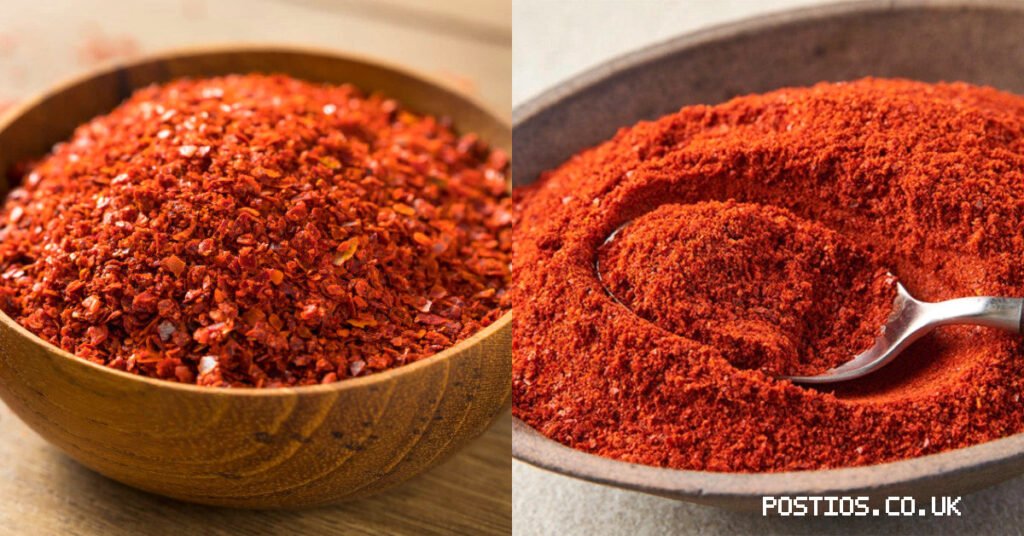
Texture matters too. Gochugaru is sold as coarse flakes or fine powder, and the flakes retain a slight chewiness that powders lack. The color leans toward a vivid crimson, a sign of careful drying, whereas generic chili powder often appears duller and more brownish. If you want to go deeper, #beaconsoft Latest Tech Info: What Developers Need to Know covers an adjacent angle worth reading
Heat levels vary widely, from mild deulgoon grades to hot maewoon ones. The Cheongyang pepper, a 20th-century hybrid, ranks among the fieriest, pushing some gochugaru batches toward 8,000 Scoville units. Most standard varieties sit closer to 1,000–4,000 units, offering warmth without overwhelming the palate.
From Kimchi to Gochujang: How Korean Cooking Uses Gochugaru
Kimchi is the most famous application. Home cooks and factories alike mix gochugaru with salted cabbage, radish, and a paste of garlic, ginger, and fermented seafood such as saeujeot or aekjeot. The flakes infuse the brine with color and a slow-building heat that mellows during fermentation. Public records covering this story are gathered in What is Gochugaru? – Allrecipes
Gochugaru also forms the backbone of gochujang, the fermented chili paste that anchors countless stews and sauces. During fermentation, the pepper’s natural sugars and enzymes deepen into a pungent, slightly sweet complexity that no fresh chili can replicate.
Beyond those two pillars, the flakes season soups, braises, and marinades. Bulgogi and tteokbokki sauce both rely on gochugaru for their characteristic red tint and layered spice. Even simple banchan, the small side dishes served with rice, often get a final sprinkle of flakes for color and aroma.
Premium sun-dried gochugaru, known as taeyangcho, commands higher prices because it preserves a brighter color and more complex flavor than machine-dried alternatives. Many Korean households still buy several kilograms each year, a habit that reflects the ingredient’s daily presence in the national diet.
Key Moments in Gochugaru’s Rise to Global Recognition
The 16th-century arrival of peppers marked the first turning point. By the 18th century, gochugaru had become a kitchen staple, though it remained largely unknown outside Korea for centuries.
The late 20th century brought the first wave of international attention as Korean immigrants opened restaurants abroad. Kimchi, in particular, traveled well and introduced foreign diners to the flakes’ distinctive character.
The 2010s saw a sharper spike in demand. Global interest in K-food, driven by Korean pop culture and health trends, pushed gochugaru onto supermarket shelves in Europe and North America. Specialty grocers began stocking both coarse and fine grades, and online retailers made taeyangcho accessible to home cooks worldwide.
That trajectory continues today, though production remains tied to traditional methods. Sun-drying still requires open space and clear weather, which is why premium batches carry a higher price tag.
| Grade | Texture | Typical Use |
|---|---|---|
| Coarse flakes | Rough, irregular pieces | Kimchi, stews, braises |
| Fine powder | Smooth, almost dust-like | Sauces, marinades, seasoning blends |
| Mild (deulgoon) | Low heat, fruity notes | Family-friendly dishes, children’s meals |
| Hot (maewoon) | High heat, sharp bite | Spicy stews, dipping sauces |
| Taeyangcho | Sun-dried, vivid red | Premium kimchi, finishing garnish |
Frequently Asked Questions
Is gochugaru safe for people with chili allergies?
Gochugaru is a pure pepper product, so anyone allergic to Capsicum species should avoid it entirely. Cross-contamination during processing is possible, so those with severe allergies should check labels or contact manufacturers before use.
What is gochugaru best known for in Korean cuisine?
Gochugaru is best known as the essential seasoning for kimchi, giving the fermented cabbage its signature red color and moderate heat. It also appears in gochujang paste, soups, and marinades, making it a cornerstone of Korean home cooking.
When did gochugaru become popular outside Korea?
Gochugaru began appearing in international markets in the late 20th century, following Korean immigration waves. Its popularity surged in the 2010s alongside the global rise of K-food and kimchi, leading to wider availability in Western supermarkets.
Is gochugaru still made using traditional sun-drying methods?
Yes, many producers still sun-dry peppers on woven mats, especially for premium taeyangcho grades. Machine-drying is faster and cheaper, but sun-drying remains the preferred method for achieving the bright color and complex flavor that cooks expect.
What is a good alternative to gochugaru if I cannot find it?
A mix of sweet paprika and cayenne pepper can approximate gochugaru’s color and heat, though it will lack the fruity-smoky depth. For a closer match, look for Korean chili powder labeled as such, or substitute with ancho chili flakes in a pinch.