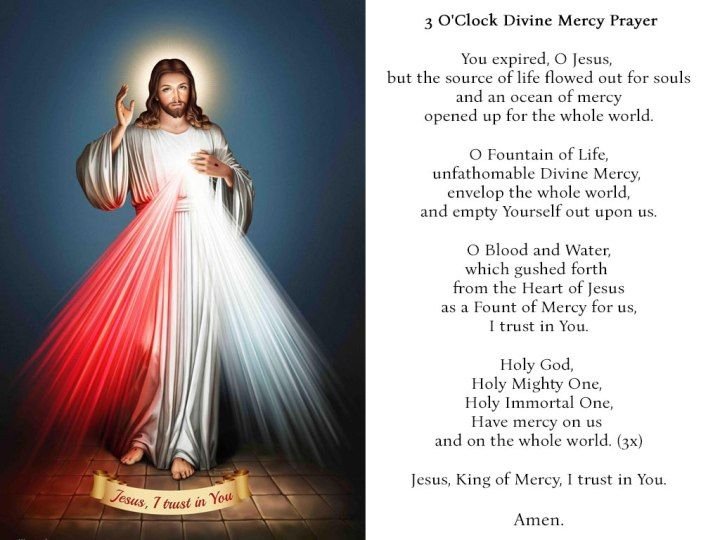
For many Christians, 3 o’clock in the afternoon is more than an ordinary moment in the day. It is a meaningful time to pause, pray, reflect on Jesus Christ, and remember the sacrifice He made on the cross. Known in Catholic tradition as the Hour of Mercy, this time is especially associated with the Passion of Jesus and the message of Divine Mercy.
The 3 o’clock prayer offers an opportunity to step away from everyday responsibilities and reconnect with God. Whether someone is facing personal difficulties, seeking forgiveness, praying for a loved one, or simply looking for a peaceful moment, this afternoon devotion can provide a meaningful spiritual routine.
But what exactly is the 3 o’clock prayer? Why is 3 PM significant in Christianity, and how can someone incorporate this practice into daily life?
Understanding its biblical background, spiritual meaning, and traditional prayers can help believers appreciate this devotion more deeply.
What Is the 3 O’Clock Prayer?
The 3 o’clock prayer is a Christian devotional practice, particularly associated with Catholic spirituality, that commemorates the death of Jesus Christ on the cross.
According to the Gospel accounts, Jesus died around the ninth hour, traditionally understood as approximately 3 PM when counting from sunrise. Christians remember this moment as a central event in their faith because they believe Jesus willingly suffered and died for humanity’s salvation.
The devotion is closely connected to the Divine Mercy message associated with Saint Faustina Kowalska, a Polish Catholic nun whose spiritual diary describes revelations about God’s mercy.
In this tradition, the faithful are encouraged to remember Jesus’ suffering at 3 PM, ask for His mercy, and reflect on His love for humanity.
The practice does not require a lengthy ceremony or a particular location. A person can pray at home, during a work break, in church, or wherever a quiet moment is available.
Why Is 3 PM Important in Christianity?
Three o’clock in the afternoon has special significance because it is traditionally associated with the time of Jesus’ death.
In Mark 15:34–37, the Gospel describes Jesus crying out before breathing His last. Mark 15:33–34 specifically mentions the ninth hour, which corresponds approximately to 3 PM.
This moment represents several important themes in Christian belief.
The Sacrifice of Jesus Christ
For Christians, Jesus’ death represents the ultimate expression of divine love and sacrifice. His suffering is understood as an act of redemption through which humanity receives the opportunity for forgiveness and reconciliation with God.
Remembering this sacrifice at 3 PM allows believers to reflect on the importance of compassion, humility, forgiveness, and faith.
God’s Mercy and Forgiveness
The Hour of Mercy is particularly connected with the belief that God’s mercy is available to everyone who sincerely turns toward Him.
It encourages people not to allow guilt, fear, or past mistakes to prevent them from seeking forgiveness and developing a closer relationship with God.
A Moment of Spiritual Reflection
Modern life often leaves little time for quiet reflection. Work, family responsibilities, technology, and personal concerns can make it difficult to focus on spiritual matters.
A short prayer at 3 PM creates a natural opportunity to pause, express gratitude, and remember what matters most.
The Connection Between the 3 O’Clock Prayer and Divine Mercy
The Divine Mercy devotion is one of the most recognized Catholic spiritual traditions associated with the 3 o’clock prayer.
Its modern popularity is closely connected with Saint Faustina Kowalska, who lived in Poland during the early twentieth century.
According to her diary, Jesus emphasized His desire for people to trust in His mercy and turn to Him with confidence.
The Divine Mercy message is often summarized through three important ideas:
- Trust: Place confidence in God’s mercy rather than relying entirely on personal strength.
- Mercy: Recognize the importance of showing compassion and forgiveness toward others.
- Prayer: Remember Jesus’ Passion and ask for mercy for yourself and the world.
The devotion became widely known through the Divine Mercy image, the Divine Mercy Chaplet, and the celebration of Divine Mercy Sunday.
Although these practices are connected, they are not identical. The 3 o’clock prayer is a particular time of devotion, while the Divine Mercy Chaplet is a specific set of prayers that can be recited at different times.
A Traditional 3 O’Clock Prayer
One of the most meaningful ways to observe the Hour of Mercy is to pause and meditate on the Passion of Jesus.
The following is a simple devotional prayer suitable for personal use:
3 O’Clock Prayer
Heavenly Father,
At this sacred hour, I remember the sacrifice of Your Son, Jesus Christ, who gave His life for the salvation of the world.
Jesus, I thank You for Your endless love, Your suffering, and Your mercy. Forgive my sins, guide my thoughts, and help me become a more compassionate and faithful person.
When I feel weak, give me strength. When I feel lost, show me the right direction. When my heart is troubled, fill it with Your peace.
Please extend Your mercy to my family, friends, those who are suffering, and everyone who needs Your love and forgiveness.
Help me forgive those who have hurt me and teach me to live with kindness, patience, and humility.
Jesus, I trust in You.
Amen.
This is a personal devotional prayer rather than a fixed official liturgical text. Catholics may also use the traditional Divine Mercy prayers when observing the Hour of Mercy.
How to Pray at 3 PM
There is no complicated preparation required to practice the 3 o’clock prayer. The most important elements are sincere faith, reflection, and attention to the Passion of Jesus.
Here is a simple approach for incorporating the devotion into your daily routine.
1. Pause for a Moment
At approximately 3 PM, take a short break from your regular activities. Find a quiet place if possible and allow yourself to become still.
You do not need a special room, candles, or religious objects. A peaceful moment of prayer can take place almost anywhere.
2. Remember the Passion of Jesus
Spend a few moments thinking about Jesus’ suffering and death on the cross.
Reflect on what His sacrifice means in your faith and how His example can influence your decisions, relationships, and treatment of others.
3. Ask for God’s Mercy
Offer your personal intentions to God. You may pray for forgiveness, emotional strength, healing, family concerns, or guidance through difficult circumstances.
Remember that prayer is not limited to personal needs. You can also pray for people experiencing poverty, loneliness, illness, conflict, or other hardships.
4. Recite a Divine Mercy Prayer
A traditional option is the Divine Mercy Chaplet. If you have limited time, you can simply repeat the prayer:
“Jesus, I trust in You.”
This short expression captures an important theme of the Divine Mercy devotion.
5. Finish With Gratitude
End your prayer by thanking God for His love, guidance, and presence.
Even when life feels uncertain, gratitude can help redirect attention toward faith, hope, and the blessings that remain.
The Divine Mercy Chaplet at 3 O’Clock
The Divine Mercy Chaplet is one of the most recognizable prayers associated with the Hour of Mercy.
It was popularized through the spiritual experiences recorded by Saint Faustina. The chaplet is traditionally prayed using rosary beads and includes an opening prayer, an Our Father, a Hail Mary, the Apostles’ Creed, repeated prayers on the beads, and a concluding prayer.
Its central repeated prayers are:
On the Our Father beads:
“Eternal Father, I offer You the Body and Blood, Soul and Divinity of Your dearly beloved Son, Our Lord Jesus Christ, in atonement for our sins and those of the whole world.”
On the Hail Mary beads:
“For the sake of His sorrowful Passion, have mercy on us and on the whole world.”
These prayers are repeated throughout the chaplet.
The devotion concludes with the repeated invocation:
“Holy God, Holy Mighty One, Holy Immortal One, have mercy on us and on the whole world.”
The chaplet typically takes around 10 to 15 minutes, depending on the pace of prayer.
Although 3 PM is a particularly meaningful time to recite it, Catholics can pray the Divine Mercy Chaplet at other times as well.
Can You Pray the 3 O’Clock Prayer Every Day?
Yes. Catholics and other Christians can incorporate this devotional practice into their daily routines.
There is no requirement to pray at exactly 3:00:00 PM. The traditional devotion emphasizes remembering Jesus’ Passion at the approximate hour associated with His death.
People with demanding schedules can adapt the practice to their circumstances.
For example:
- A student can spend a few minutes praying between afternoon classes.
- An office worker can use a lunch or afternoon break for reflection.
- A parent can pray quietly at home while taking a short break from household responsibilities.
- Someone traveling can offer a brief prayer wherever they happen to be.
Consistency can make the practice a meaningful part of everyday spiritual life.
However, missing the prayer at 3 PM does not mean that someone has lost God’s mercy or that their prayer is worthless. The devotion is an opportunity for spiritual reflection, not a reason to experience unnecessary guilt.
What Are the Spiritual Benefits of the 3 O’Clock Prayer?
The 3 o’clock prayer can support several aspects of a person’s spiritual life. Its value comes from the opportunity to develop a stronger relationship with God and reflect on Christian teachings.
Encourages a Deeper Relationship With God
Making time for prayer can help believers become more intentional about their faith.
A regular afternoon devotion creates an opportunity to communicate with God, express concerns, and reflect on personal spiritual growth.
Promotes Forgiveness and Compassion
Remembering Jesus’ sacrifice can encourage believers to practice forgiveness in their own relationships.
It provides an opportunity to consider how patience, kindness, and understanding can improve interactions with family members, friends, and strangers.
Provides Comfort During Difficult Times
People experiencing grief, uncertainty, disappointment, or personal struggles may find comfort in prayer.
The Divine Mercy devotion emphasizes trust in God’s compassion, encouraging believers to approach difficult situations with hope.
Prayer is not a substitute for professional medical or mental health support when needed, but it can be an important part of a person’s spiritual support system.
Encourages Daily Reflection
The middle of the afternoon can be an ideal time to reconsider priorities and attitudes.
A brief prayer allows someone to reflect on the day’s activities, recognize mistakes, and make a conscious effort to approach the remainder of the day with greater patience and gratitude.
What If You Miss the 3 PM Prayer?
Missing the traditional Hour of Mercy is not something Christians need to fear.
The purpose of this devotion is to remember Jesus’ Passion and seek God’s mercy. It is not intended to create anxiety about following a precise schedule.
If you cannot pray at 3 PM because of work, school, travel, or other responsibilities, you can pray later when an opportunity becomes available.
God’s mercy is not limited to a particular hour.
You can also maintain a regular prayer routine in the morning, evening, or whenever you need spiritual encouragement.
The important thing is to approach prayer with sincerity rather than treating it as a task that must be completed perfectly.
3 O’Clock Prayer vs. Divine Mercy Chaplet: What’s the Difference?
Although people sometimes use these expressions interchangeably, they refer to slightly different practices.
The 3 o’clock prayer refers broadly to the devotional observance of the Hour of Mercy, during which Christians remember Jesus’ suffering and death.
The Divine Mercy Chaplet is a specific collection of prayers associated with Saint Faustina and the Divine Mercy devotion.
The following comparison explains the distinction:
| Feature | 3 O’Clock Prayer | Divine Mercy Chaplet |
|---|---|---|
| Main purpose | Remember Jesus’ Passion | Ask for mercy for humanity |
| Traditional time | Approximately 3 PM | Any time |
| Format | Meditation and prayer | Structured set of prayers |
| Duration | Can be a few minutes | Usually 10–15 minutes |
| Prayer beads | Not required | Traditionally uses rosary beads |
| Main association | Hour of Mercy | Saint Faustina’s Divine Mercy devotion |
Both practices encourage reflection on God’s mercy and the sacrifice of Jesus Christ.
Frequently Asked Questions About the 3 O’Clock Prayer
1. What is the 3 o’clock prayer?
The 3 o’clock prayer is a Christian devotional practice that remembers the death of Jesus Christ, traditionally associated with approximately 3 PM. It is especially popular in Catholic spirituality and connected with the Divine Mercy devotion.
2. Why do Catholics pray at 3 PM?
Catholics observe this time because it traditionally corresponds to the ninth hour, when Jesus is understood to have died on the cross. It provides an opportunity to remember His sacrifice and reflect on God’s mercy.
3. What is the most powerful 3 o’clock prayer?
There is no single prayer that is universally considered the most powerful. A widely recognized prayer associated with Divine Mercy is:
“Jesus, I trust in You.”
Catholics may also pray the Divine Mercy Chaplet or offer personal prayers reflecting on Jesus’ Passion.
4. Can I pray the 3 o’clock prayer without rosary beads?
Yes. Rosary beads are not necessary for a personal Hour of Mercy prayer. You can pray in your own words, meditate on the Passion of Jesus, or repeat a short Divine Mercy invocation.
5. How long should the 3 o’clock prayer take?
There is no required duration for a personal 3 o’clock prayer. A short prayer may take one or two minutes, while reciting the complete Divine Mercy Chaplet generally takes around 10 to 15 minutes.
6. Can non-Catholic Christians pray at 3 PM?
Yes. Christians from different traditions can choose to remember Jesus’ sacrifice and pray at this time. The specific Divine Mercy devotion, however, has its roots in Catholic spirituality.
7. What happens if I forget to pray at 3 PM?
Nothing spiritually harmful happens simply because you miss the time. You can pray later in the day. The devotion is intended to encourage faith and reflection, not create fear or pressure.
8. Is the 3 o’clock prayer mentioned in the Bible?
The Bible does not prescribe a specific daily 3 PM prayer. However, Mark 15:33–37 describes Jesus’ final moments and refers to the ninth hour, traditionally understood as approximately 3 PM. This passage provides the biblical background for the devotion.
9. Can I pray for my family during the Hour of Mercy?
Absolutely. You can include prayers for family members, friends, people experiencing difficulties, and those who need spiritual support. The devotion encourages believers to seek mercy not only for themselves but also for the whole world.
10. Is the 3 o’clock prayer the same as the Divine Mercy Chaplet?
No. The Hour of Mercy is a devotional observance associated with remembering Jesus’ Passion at approximately 3 PM. The Divine Mercy Chaplet is a particular set of prayers that can be recited during this time or at other times of the day.
Conclusion
The 3 o’clock prayer is a meaningful Christian devotion centered on remembering the sacrifice of Jesus Christ and reflecting on God’s mercy. Its connection with the ninth hour gives it particular importance in Catholic spirituality, while the Divine Mercy message encourages believers to approach God with trust, humility, and hope.
Whether someone chooses to recite a short personal prayer, meditate on the Passion, or pray the complete Divine Mercy Chaplet, the purpose remains the same: to make time for faith and remember the love expressed through Jesus’ sacrifice.
In a busy world, taking a few moments at 3 PM can become a valuable daily spiritual habit. It offers an opportunity to seek forgiveness, pray for others, practice compassion, and renew one’s trust in God.
Ultimately, the Hour of Mercy is a reminder that prayer is not simply about following a schedule. It is about building a sincere relationship with God and allowing faith, mercy, and love to influence everyday life.






1 thought on “3 O’Clock Prayer Meaning Powerful Prayers and How to Practice the Hour of Mercy”
Comments are closed.