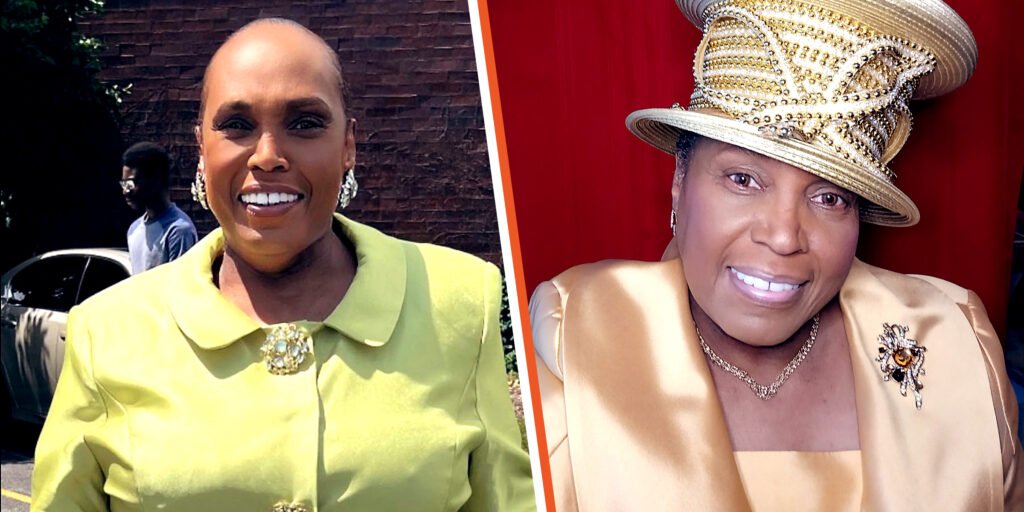
The name Shirley Kyles is closely associated with legendary soul singer and minister Al Green. Their marriage in the late 1970s attracted attention because Green was already becoming one of the most recognizable voices in American soul music. Yet Kyles was more than the former wife of a famous performer.
Her own story involved church life, gospel music, motherhood, marriage, divorce, and eventually speaking publicly about experiences that had remained largely private for years. Contemporary reporting provides important insight into her life, particularly through a detailed 1995 interview published by The Washington Post.
Understanding Shirley Kyles therefore requires looking beyond her relationship with Al Green. Her story also illustrates how a person connected to a major public figure can have an important and complicated life of her own.
Who Was Shirley Kyles?
Shirley Kyles was an American woman known publicly primarily through her marriage to Al Green. Before and during that relationship, she was connected to the church and gospel music and worked around Green’s ministry.
The Royal Albert Hall’s biographical archive identifies Kyles as Al Green’s former spouse and describes her as a backing vocalist. Other biographical accounts note that she was also involved with Green’s church.
Kyles and Green married in Memphis in June 1977. Their marriage lasted several years and produced three daughters. Their relationship eventually ended in divorce in 1983.
Because much of the available public information about Kyles comes from her relationship with Green, it is important to distinguish documented facts from later internet claims. Some websites publish detailed birth dates, career histories, or later-life information without providing strong primary sources. Those claims should be treated cautiously.
Shirley Kyles and Al Green
The connection between Shirley Kyles and Al Green began through the church and music world in Memphis.
By the time they married, Green was already an important figure in American soul music. Songs such as “Tired of Being Alone,” “Take Me to the River,” “I’m Still in Love With You,” and “Let’s Stay Together” had established him as one of the defining performers of the early 1970s. The Encyclopedia of Arkansas notes that Green’s career accelerated after he moved to Memphis and began working with producer and bandleader Willie Mitchell.
Kyles was part of the environment surrounding Green’s church and music activities. The Royal Albert Hall archive specifically identifies her as a former spouse and backing vocalist.
Their relationship consequently existed at the intersection of religion, entertainment, and family life.
Their Marriage in 1977
Shirley Kyles married Al Green in June 1977 in Memphis.
According to a contemporary Washington Post account, the ceremony was relatively simple and took place in the living room of a minister’s home. The article presented the marriage as an important moment in Kyles’ life and described the optimism surrounding the couple at the beginning of their relationship.
At the time, Green was balancing two increasingly important parts of his identity: his career as a soul singer and his growing commitment to Christian ministry.
The marriage eventually became difficult, however, and the couple’s private problems later became part of the public record.
What Happened Between Shirley Kyles and Al Green?
The breakdown of the marriage was complicated and ultimately involved divorce proceedings and allegations of domestic abuse.
Kyles first filed for divorce in 1978, but the couple later reconciled. She filed again in 1981. During the later legal proceedings, Kyles described serious incidents of abuse.
These allegations were not simply later internet rumors. They were discussed in contemporary reporting and court-related testimony. The Encyclopedia of Arkansas states that Kyles later alleged abuse and that Green acknowledged under oath that he had struck her.
The Washington Post also published a detailed 1995 account based on an interview with Kyles, providing one of the most significant contemporary sources for understanding her experience.
Because domestic violence is a sensitive subject, the history should be discussed carefully and based on documented reporting rather than sensationalized retellings.
The Divorce
Shirley Kyles and Al Green ultimately divorced in 1983.
Public records and biographical sources consistently place the end of their marriage in that year. IMDb, for example, lists the marriage as lasting from June 1977 until January 1983 and records that they had three children.
The divorce represented the end of a relationship that had begun during a period when Green’s career and religious identity were both developing rapidly.
For Kyles, however, the end of the marriage also marked the beginning of a different chapter—one in which she was no longer defined solely through her relationship with a famous musician.
Shirley Kyles and Her Children
Kyles and Green had three daughters together.
Family information about the children is available in biographical records, but relatively little detailed public information exists about their private lives. That limited public record is important to respect.
Celebrity biographies sometimes treat family members as extensions of the celebrity. In Kyles’ case, that approach can obscure the fact that she was a mother dealing with the consequences of a difficult marriage while raising a family.
The documented record supports the existence of three daughters, while more extensive claims about their personal lives should be approached carefully.
Why Shirley Kyles Spoke Publicly Years Later
For many years after the divorce, Kyles largely remained outside the spotlight.
That changed in the mid-1990s. In 1995, she spoke publicly about the abuse she said she had experienced during her marriage. Her account appeared in The Washington Post and brought renewed attention to the private circumstances behind a marriage that had once been connected to one of America’s best-known soul singers.
Her decision to speak was significant because discussions of domestic violence were increasingly becoming part of the national conversation in the United States.
Rather than simply presenting the story as celebrity controversy, her account can be understood within the broader context of survivors choosing to discuss experiences that had previously remained private.
Shirley Kyles’ Connection to Gospel Music
Music was an important part of Kyles’ life even before her marriage to Green.
Her association with Green included church and gospel activities, and archival material identifies her as a backing vocalist.
This connection is particularly interesting because Green himself moved between secular soul music and Christian ministry.
After a series of major personal experiences, Green became increasingly devoted to religion and eventually established the Full Gospel Tabernacle in Memphis. His later career became closely associated with ministry as well as music.
Kyles’ own connection to the church therefore formed an important part of the environment in which their relationship developed.
Shirley Kyles’ Story Beyond Al Green
It is tempting to describe Kyles simply as “Al Green’s ex-wife.” That label is convenient for search engines and celebrity biographies, but it does not fully capture her story.
She was connected to church music, became a mother, experienced a highly publicized marriage, went through divorce, and later decided to discuss domestic abuse publicly.
Her story also demonstrates why biographical research should distinguish between a person’s public association and their individual identity.
A person can become historically connected to a celebrity while still having a separate personal story that deserves attention.
What Is Known About Shirley Kyles’ Later Life?
Reliable public information about Kyles’ life after her divorce is considerably more limited than information about her marriage.
The strongest contemporary material focuses on her relationship with Green, the divorce proceedings, and her decision to speak publicly in 1995. Later internet biographies often add claims about careers, military service, dates of birth, death dates, or other personal details.
However, these claims are not consistently supported by authoritative primary sources.
For that reason, readers should be cautious when encountering highly specific online biographies of Shirley Kyles. A responsible biography should clearly separate established information from claims that cannot be independently verified.
Why Shirley Kyles Still Attracts Public Interest
Interest in Shirley Kyles continues for several reasons.
First, she was married to one of the most influential soul singers of the 1970s. Al Green’s music remains widely recognized, ensuring continued interest in people connected to his personal history.
Second, her story involves a significant period in Green’s transition from secular soul performer to prominent minister.
Third, her decision to discuss domestic abuse publicly added another dimension to a story that might otherwise have been remembered only as a celebrity marriage.
Finally, the story raises broader questions about how the public remembers people who were connected to famous figures but were not themselves conventional celebrities.
What Can Be Learned From Shirley Kyles’ Story?
One of the clearest lessons is the importance of looking beyond celebrity headlines.
A marriage involving a famous singer can attract public attention, but the people involved still experience ordinary human challenges—family responsibilities, relationship problems, personal decisions, and difficult transitions.
Kyles’ decision to speak about her experiences also illustrates the importance of giving survivors space to tell their own stories.
Her public account became part of a broader American conversation about domestic violence and the difficulty of recognizing what happens behind apparently successful relationships.
Separating Fact From Internet Rumors
Anyone researching Shirley Kyles online will encounter conflicting biographies.
Some modern websites provide exact birth information and extensive claims about her education, military career, later professional activities, or death. In many cases, however, the claims are repeated from site to site without clear documentation.
That makes source evaluation particularly important.
The most reliable approach is to prioritize contemporary journalism, archival institutions, official records, and established biographical references. The Washington Post‘s 1995 reporting and institutional sources such as the Royal Albert Hall archive provide considerably stronger foundations than anonymous biography pages.
This distinction matters because repeating an unsupported claim does not make it a verified fact.
Frequently Asked Questions About Shirley Kyles
Who is Shirley Kyles?
Shirley Kyles is best known as the former wife of soul singer and minister Al Green. She was also connected to church activities and gospel music and was identified as a backing vocalist in archival biographical material.
When did Shirley Kyles marry Al Green?
Shirley Kyles married Al Green in June 1977 in Memphis. Their marriage ended in divorce in 1983.
How many children did Shirley Kyles and Al Green have?
Public biographical sources report that Shirley Kyles and Al Green had three daughters.
Why did Shirley Kyles divorce Al Green?
Kyles filed for divorce more than once. She later described domestic abuse during the marriage, and Green acknowledged under oath that he had struck her. The divorce was finalized in 1983.
Was Shirley Kyles a singer?
Yes. Archival biographical information identifies Kyles as a backing vocalist, and her life was connected to church and gospel music.
Why is Shirley Kyles famous?
Most public interest in Shirley Kyles comes from her marriage to Al Green and her later decision to speak publicly about the difficult experiences she described during that relationship.
Is everything published online about Shirley Kyles accurate?
No. There are conflicting online biographies containing detailed claims that are not consistently supported by authoritative sources. For accurate research, it is better to rely on contemporary journalism and established archival or biographical sources.
Conclusion
Shirley Kyles story is closely connected to Al Green, but it should not be reduced to that connection.
She was part of the church and gospel music environment in Memphis, became Green’s wife and the mother of three daughters, and eventually ended a difficult marriage. Years later, she publicly discussed the domestic abuse she said she had experienced, adding an important and deeply personal dimension to the historical record.
The available evidence also demonstrates why careful research matters. While numerous websites now publish biographies of Shirley Kyles, not every claim has the same level of documentation.
The most meaningful way to understand Shirley Kyles is therefore to focus on what can be established: her connection to gospel music and church life, her marriage to one of America’s most famous soul singers, her role as a mother, the difficulties surrounding her marriage, and her decision to tell her story publicly.
That broader perspective makes her more than a footnote in Al Green’s biography. It gives Shirley Kyles a story of her own.