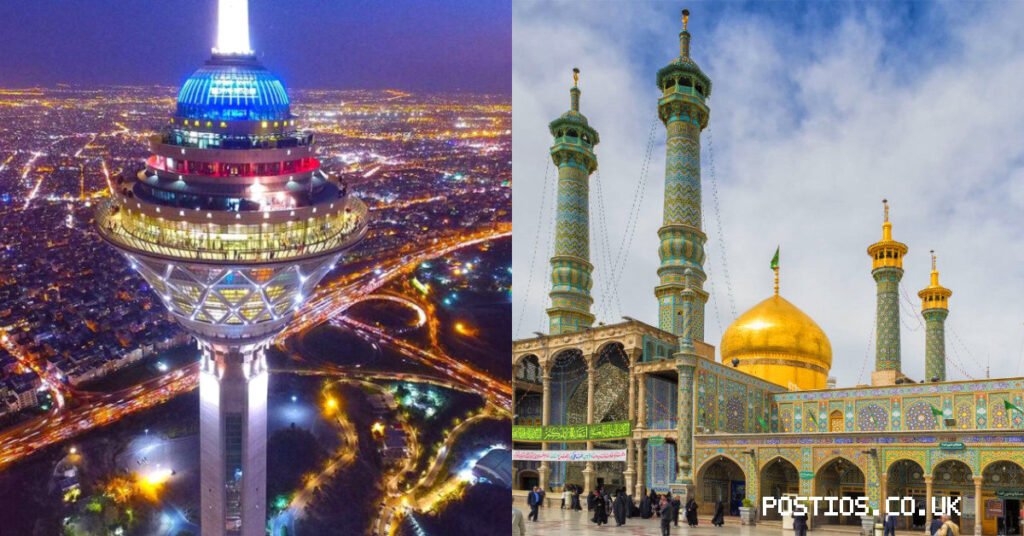
Iran has dominated headlines in 2024, from its nuclear advancements to its role in regional conflicts. The country’s strategic moves continue to shape Middle Eastern politics. Here’s a factual look at what’s happening inside Iran and beyond its borders.
How Iran’s Leadership and Media Shape Public Perception
Iran’s state media, including Press TV and Islamic Republic of Iran Broadcasting, serve as primary news sources for many citizens. These outlets often frame international events through a lens that supports the government’s stance. Independent journalists face significant restrictions, making it challenging to verify reports from within the country.
Social media platforms like Telegram and Instagram remain popular among younger Iranians, despite periodic government crackdowns. These platforms offer a glimpse of daily life that contrasts with official narratives. The contrast between state messaging and on-the-ground reality is stark. A companion read that pairs well with this one is Hollow Knight: The 2017 Metroidvania That Redefined Indie Gaming
For those seeking reliable information, the BBC Persian service and Voice of America’s Persian-language broadcasts are widely accessed, though they are officially banned. Satellite dishes are illegal, yet many households use them to watch foreign channels. This cat-and-mouse game highlights the information struggle inside Iran.
Key Milestones in Iran’s Nuclear Program and Diplomacy
Iran’s nuclear journey began in the 1950s with the United States’ Atoms for Peace program. The 1979 revolution halted Western cooperation, and subsequent decades saw Iran develop its enrichment capabilities. In 2015, the Joint Comprehensive Plan of Action (JCPOA) limited Iran’s uranium enrichment in exchange for sanctions relief.
The United States withdrew from the deal in 2018, leading Iran to gradually exceed the agreement’s limits. By 2021, Iran was enriching uranium to 60% purity, a level with no civilian use. Negotiations to revive the JCPOA have stalled, with inspectors from the International Atomic Energy Agency (IAEA) reporting reduced access to key sites. wikipedia.org/wiki/Iran” rel=”noopener noreferrer” target=”_blank”>Iran
Iran’s missile program, which it refuses to negotiate, has advanced significantly. The country now possesses ballistic missiles capable of reaching Israel and parts of Europe. These developments have heightened tensions in the region, prompting concerns from neighboring states.
| Year | Event |
|---|---|
| 1957 | Iran signs civil nuclear cooperation agreement with the US |
| 2015 | JCPOA signed, limiting enrichment |
| 2018 | US withdraws from JCPOA |
| 2021 | Iran enriches uranium to 60% |
What Is Confirmed About Iran’s Activities and What Remains Unverified
Iran’s stockpile of enriched uranium continues to grow, though exact figures are periodically updated.
Unverified claims include allegations of a covert weapons program. Israeli intelligence has asserted Iran is developing nuclear warheads, but no independent evidence has been made public. Iran maintains its program is solely for civilian energy and medical purposes.
However, the extent of direct Iranian command and control remains unclear. Some analysts argue these groups act independently, while others see Tehran’s hand in every move.
The weaker claim here is that Iran is on the verge of building a bomb. Most experts agree that would require a political decision and months of additional work. The more useful approach is to focus on verifiable facts rather than speculation.
Comparing Iran’s Approach with Saudi Arabia and Turkey
Iran’s regional rivals, Saudi Arabia and Turkey, offer contrasting models. Saudi Arabia has pursued a more cautious path, relying on US security guarantees while exploring its own nuclear ambitions. Turkey, under President Recep Tayyip Erdogan, has balanced relations with both Russia and the West, often acting as a mediator.
Iran’s revolutionary ideology sets it apart. The 1979 revolution created a political system where clerics hold ultimate authority. This ideological dimension influences foreign policy in ways that pure pragmatism does not. For instance, Iran’s support for Palestinian groups is framed as a religious duty, not just a strategic choice.
Economically, Iran faces severe sanctions that have crippled its oil exports. Saudi Arabia, by contrast, uses its oil wealth to project influence. Turkey, while not oil-rich, has a diversified economy and a strong military. These differences shape each country’s ability to pursue its goals.
We see Iran’s approach as more confrontational, while Saudi Arabia and Turkey often prefer diplomacy. Yet all three nations share a desire to be regional powers. Their competition plays out in Syria, Iraq, and Yemen, where proxy conflicts continue. Iran | Iran | Today's latest from Al Jazeera keeps a longer factual record of the subject for those who want more
Frequently Asked Questions
How can travelers visit Iran safely given current tensions?
Travel to Iran is possible but requires careful planning. Check your government’s travel advisories, obtain the necessary visa, and consider hiring a local guide. Avoid border areas and political gatherings. Many tourists report positive experiences, but the situation can change rapidly.
Is it ethical to buy Iranian products given sanctions?
Sanctions are complex. While individuals can purchase some Iranian goods like saffron or pistachios, most financial transactions are blocked. Buying from Iran may inadvertently support the government, which some find problematic. Research the specific product and consider the broader implications.
What is the truth behind the ‘Iranian cyber attacks’ rumors?
Others remain unverified. Iran has developed offensive cyber capabilities, but attributing attacks is difficult. Rely on reports from cybersecurity firms and government agencies for accurate information.
Why did the US leave the JCPOA?
The Trump administration argued the deal was flawed because it did not address Iran’s missile program or regional activities. They also objected to sunset clauses that would eventually allow Iran to enrich freely. The decision was controversial, with critics saying it weakened non-proliferation efforts.
What is Iran best known for in the international community?
Iran is known for its ancient civilization, Persian poetry, and architectural marvels like Persepolis. In modern times, it is recognized for its nuclear program and its role in Middle Eastern geopolitics. Iran’s rich cultural heritage often contrasts with its political image.