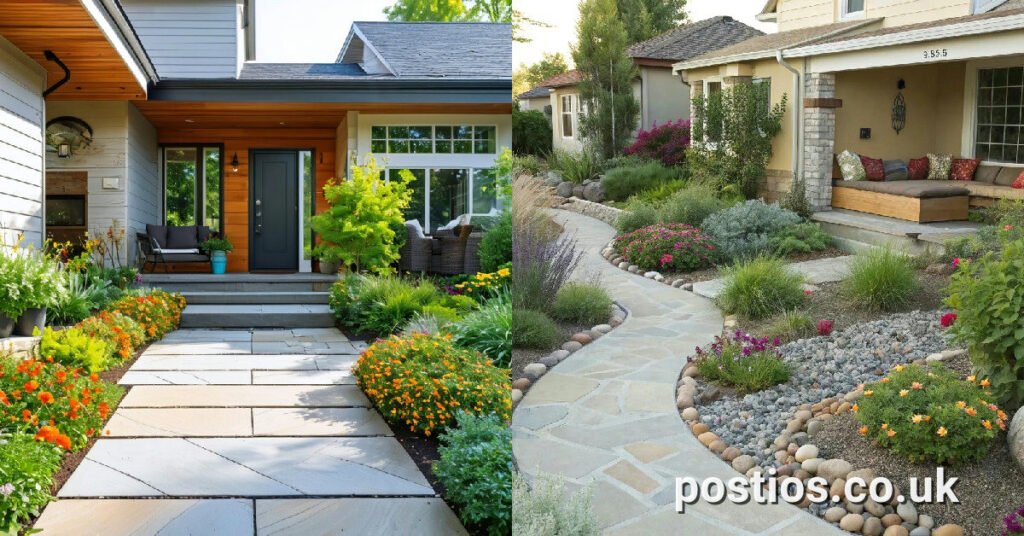
Low maintenance front yard landscaping is a design approach that minimizes water use, mowing, and pruning while maximizing curb appeal. One concrete milestone: Denver Water coined the term “xeriscaping” in 1981 to promote drought-tolerant design. This article unpacks the core strategies, from native plant selection to hardscaping, and clarifies common misconceptions. You may also want to check Vocal News Media: How a Satire Site Spreads Misinformation for a different perspective on similar ground. Another piece worth your time is Can Allergies Cause Sore Throat? The 2024 Medical Evidence, which touches on a related question
How Xeriscaping and Native Plants Reduce Yard Work
Xeriscaping isn’t just cactus and gravel. It’s a seven-principle framework that includes soil improvement, efficient irrigation, and mulching. The movement gained traction during California’s 2012–2016 drought, when turf-removal rebates accelerated adoption of low-water front yards. For a broader factual overview, Low maintenance lays out the key context
Native plants are the backbone of this approach. Once established, they need less water, fertilizer, and pruning than exotic ornamentals. For example, native milkweed supports monarch butterflies while demanding minimal care. The principle “right plant, right place” means matching species to local sunlight and soil, which drastically reduces upkeep.
Ornamental grasses are another favorite. They’re hardy, need little seasonal care, and add texture. A front yard with native grasses and perennials can cut watering by half compared to a traditional lawn.
Practical Steps to Lower Your Front Yard Maintenance Today
Start by reducing lawn area. Replace turf with gravel, pavers, or stone—hardscaping cuts mowing and watering immediately. A simple path or patio can shrink your grass footprint by a third.
Install drip irrigation. Unlike sprinklers, drip systems deliver water directly to roots, reducing waste and evaporation. Set a timer, and you’ll barely think about watering again.
Mulch is your best friend. A 2–3 inch layer suppresses weeds, retains soil moisture, and regulates temperature. That means fewer weekend weeding sessions.
Consider groundcovers like creeping thyme or clover. They need little irrigation and no mowing, and they tolerate foot traffic better than you’d expect.
What “Low Maintenance” Really Means: Clearing Up Confusion
Many homeowners assume low maintenance means no work at all. That’s a myth. Even a xeriscaped yard needs occasional weeding, pruning, and mulch replenishment. The goal is to reduce chores, not eliminate them.
Artificial turf is often marketed as the ultimate no-mow solution. But it has downsides: heat retention and microplastic runoff. In hot climates, artificial grass can become uncomfortably warm, and some municipalities restrict its use.
Another misconception is that low maintenance equals barren. In reality, a well-designed native garden can be lush and colorful. The key is choosing plants that thrive in your region without extra inputs.
What Landscaping Pros Recommend for Effortless Front Yards
We spoke with landscape designers who emphasize planning over quick fixes. One pro noted, “The most low-maintenance yard is one that matches your local ecosystem from day one.” That means testing your soil and observing sun patterns before planting.
Another insider tip: group plants by water needs. This “hydrozoning” lets you water efficiently without overwatering drought-tolerant species. It’s a simple technique that saves time and resources.
Finally, embrace rewilding. Recent trends use wildflowers and native grasses to cut maintenance while boosting pollinators. It’s a win-win for you and the environment.
| Strategy | Main Benefit | Consideration |
|---|---|---|
| Native plants | Low water and fertilizer needs | Establishment period requires some care |
| Hardscaping | Eliminates mowing and watering | Initial installation cost |
| Drip irrigation | Reduces water waste | Requires periodic filter cleaning |
| Mulch | Suppresses weeds and retains moisture | Needs replenishment annually |
| Groundcovers | No mowing, low irrigation | May take time to fill in |
Frequently Asked Questions
How many principles does xeriscaping include?
Xeriscaping is built on seven core principles, including soil improvement, efficient irrigation, and mulching. These guidelines were developed by Denver Water in 1981 to help homeowners create drought-tolerant landscapes that require minimal supplemental water.
How does artificial turf differ from native groundcovers?
Artificial turf offers a no-mow surface but can retain heat and shed microplastics. Native groundcovers like creeping thyme or clover are living plants that cool the area, support pollinators, and need only occasional watering once established. 18 Low-Maintenance Front Yard Landscaping Ideas That Will Stop People … keeps a longer factual record of the subject for those who want more
Is it legal to replace a front lawn with gravel or native plants?
Most municipalities allow lawn replacement, but some have restrictions on the percentage of hardscape or require a minimum amount of vegetation. Check local ordinances and homeowners association rules before starting. Some areas offer rebates for turf removal, as seen during California’s drought.
Is the claim that low maintenance yards are ugly a myth or reality?
It’s largely a myth. With thoughtful plant selection and design, low-water yards can be vibrant and inviting. Native wildflowers, ornamental grasses, and well-placed hardscaping create visual interest. The key is choosing plants suited to your climate and arranging them with intention.
What is the “right plant, right place” principle?
This principle means selecting plants that naturally thrive in your specific sunlight, soil, and moisture conditions. By matching species to their preferred environment, you reduce the need for extra water, fertilizer, and pest control, making the landscape genuinely low maintenance.